Yezidi Studies Center Announces another Group of PhD Students
The Yezidi Studies Center is pleased to announce the second cohort of PhD students, who start their academic work and research at the Oriental Institute, Leipzig University. Over the course of the next years they will use their interdisciplinary skills and competences as well as the facilities and resources here at Leipzig University to produce innovative, first-class research in the field of Yezidi Studies. Under the supervision of Prof. Dr. Sebastian Maisel, the four candidates approach their topics from different thematic angles (history, international law, pedagogy and education) using interdisciplinary methodologies and diverse sources and languages: Gülistan Ibrahim: Transformation des Ezidentums in der Diaspora. Bestandsaufnahme, Analyse und Reflexion über die Chancen und Herausforderungen religiös-kulturellen Wissens der Eziden in Deutschland. Mariam Mandekov: The Events of the Armenian Genocide and the Fate of the Ezidis in the Ottoman Empire: A Historical and Legal Analysis of Genocide. Linda Chicho: Reforming society through religious education and its impact on protecting religious minorities in Iraq. The case of the Yezidis. Sami Saleem Shamo: Religious and Cultural Variation Among the Yezidi Communities: Analyzing Cultural Components, Rituals, Sacredness, and Identity Perception.
Newly Released Book: After the 2014 Genocide: Islamic Scholars’ Perception of the Yezidis and Yezidism
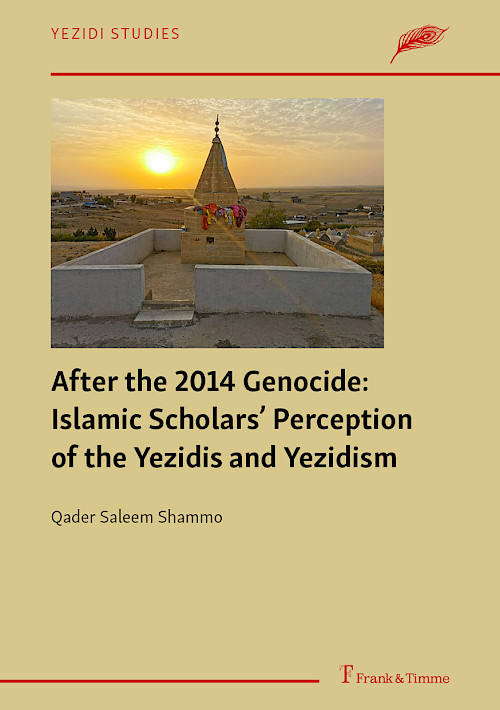
What are the origins of Islamic hostility towards the Yezidis and their religion? Can the historical cycle of Islamic violence against them be resolved? And have Islamic jurists and scholars reconsidered their views on Yezidis and Yezidism after the genocide of 2014? All these are valid questions to which this work seeks some answers. For centuries, Muslim attitudes towards Yezidis have been shaped by Islamic scholarly decrees and fatwās. They in turn set the stage for subsequent religious rulings. The author compares historical and contemporary Islamic attitudes and actions with a focus on the perspectives of Muslim jurists and scholars. In his study he analyses the principles behind Islamic fatwās and other official statementsregarding the Yezidis. He explores not only the motivations behind them, but also their impact on the religious minority. The author wishes to contribute tothe knowledge and understanding of the past in the hope of thuspaving the way for a peaceful coexistence of Yezidis and Muslims. Click here to get the book.
Congratulations on the Graduation of Sami Saleem Shamo –A Member of the Yezidi Studies Center
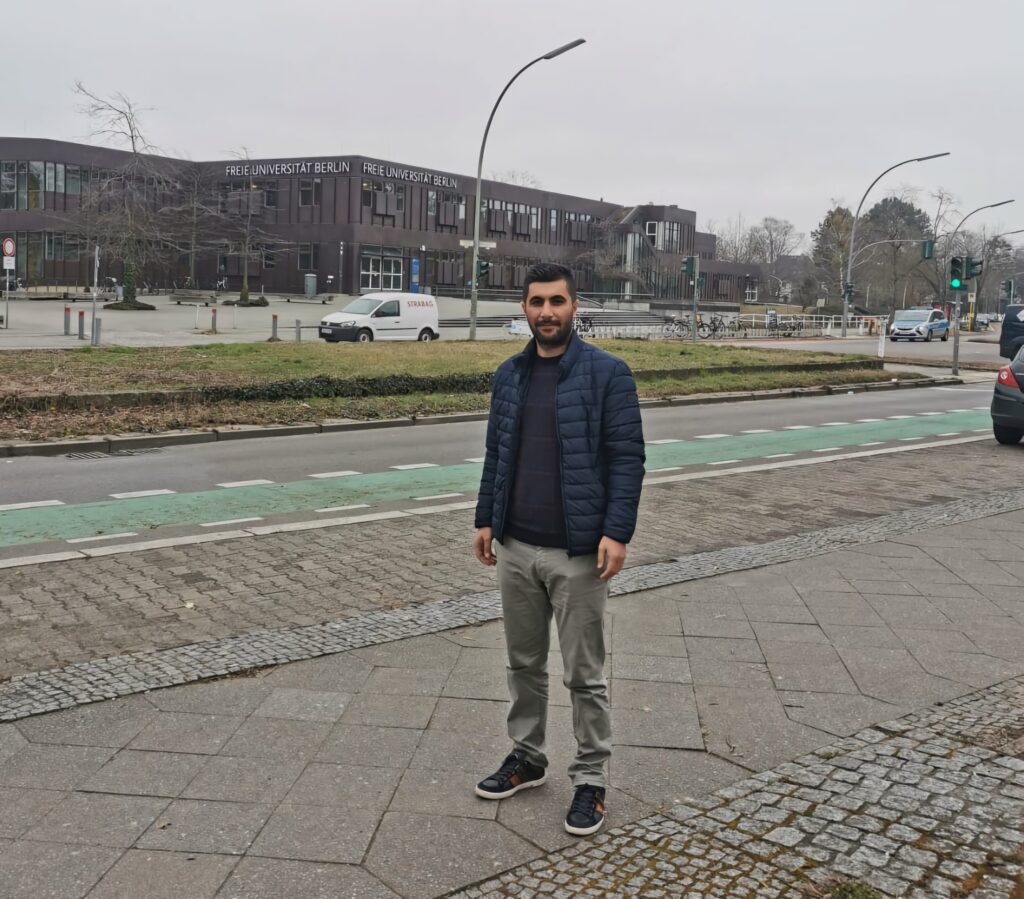
We are proud to congratulate Sami Saleem Shamo on successfully completing his master’s degree in interdisciplinary studies of the Middle East at Freie Universität Berlin, graduating with good grades. As an active member of Yezidi Studies Center, Sami has made contributions to the academic exploration of Yezidi culture, Religion, and identity. His master’s thesis, titled “Beyond Survival: Exploring Changes in Yezidi Identity Perception and Religious Rituals Post-ISIS Genocide,” examines the transformations in Yezidi self-perception and religious practices in the aftermath of the 2014 genocide. Through interdisciplinary research, Sami Shed light on how the genocide, displacement, and political instability have shaped Yezidi identity and cultural preservation efforts in recent years. His academic journey is not just a personal achievement but a meaningful step toward advancing Yezidi studies in international scholarly discourse. As he moves forward, we are excited to see how his expertise will continue to shape research, policy, and advocacy for marginalized communities. Congratulations, Sami, on this accomplishment! We look forward to your future contributions and wish you continued success in your academic and professional journey.
Pir Khidir Suleiman and the Final Farewell
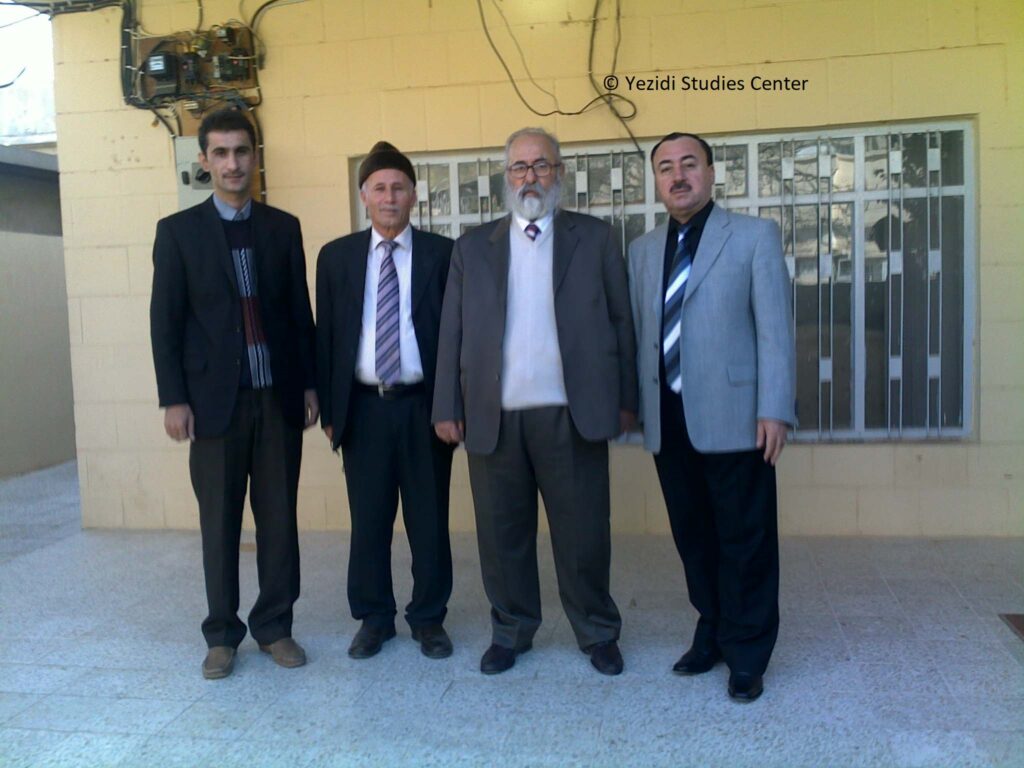
“What was he aspiring to achieve with Lalish Center? And why did he wish to meet Masoud Barzani?” Before his passing, Pir Khidir Suleiman Khalil carried numerous aspirations and secrets aimed at serving the Yezidi community – a path he had embarked upon since the 1970s. One of his main concern was to meet President Masoud Barzani to seek his support in transforming Lalish Center into an Institute for Yezidi Studies affiliated with the University of Duhok. This transformation, he believed, would create a greater opportunity to serve the Yezidi community academically and culturally. I regard Pir Khidir as the founding father and pioneer of the Yezidi enlightenment and intellectual movement in Iraq, which began in the 1970s. He left an indelible mark on history, playing a significant role in transitioning Yezidi religious and historical heritage from oral tradition to written documentation, thus protecting it from loss and extinction. His book “Gondiyatî: Village Traditions” was one of the first attempt by a Yezidi author to preserve Yezidi religious texts along with a part of their history. He also played a leading role in advocating for Yezidi rights both in the Kurdistan Region and Iraq, contributing significantly to enhancing their status and amplifying their voice. Pir Khidir expressed dissatisfaction with Lalish Center’s performance in its later years. Before his final farewell, which was a short journey from Germany to Kurdistan, I had a 23-minute phone conversation with him. During the call, after inquiring about my professional and academic endeavors, I informed him about the establishment of the Yezidi Studies Center at Leipzig University and briefly spoke to him about its goals. He was greatly delighted by the news and shared with me his ambitious plans to develop Lalish Center. Pir Khidir said: “I want to go to Kurdistan and meet the President (Masoud Barzani) to request the transformation of Lalish Center, which no longer delivers as it once did, into an Institute for Yezidi Studies affiliated with the University of Duhok. If this request is not granted, I will ask for my name to be removed from the position of license holder for Lalish Magazine.” He also emphasized his great concern for the protection of Lalish Center’s archives, stressing his intention to transfer a copy of the archive to Europe to safeguard it against potential risks, such as attacks or destruction by fire. He further highlighted his commitment to collaboration between the Yezidi Studies Center in Germany and the envisioned institute in Kurdistan, should his dream of transforming Lalish Center into an academic institution be realized. Sadly, the pioneering figure of the Yezidi enlightenment, Pir Khidir Suleiman, departed before he could meet Masoud Barzani and before seeing his dream come true. The question now is: Can someone fulfill this aspiration, which he considered it as one of the most important of his life? My proposal, should this dream become a reality, is to name the new institute after the man who dedicated a significant part of his life to serving the Yezidi community: “Pir Khidir Institute for Yezidi Studies.”This would not only immortalize his name but also continue his legacy in serving the Yezidi community academically and culturally. Qader Saleem Shammo19/11/2024
Historic Progress in Yezidi Studies: Establishing a Yezidi Culture, History, and Heritage Department at the University of Leipzig.
Yezidi studies as part of their academic achievements. This milestone establishes a strong foundation for Yezidi Studies as a formal discipline, allowing future scholars to specialize and graduate as experts in this field. With this unprecedented progress, Leipzig University has set a new standard for the advancement of Yezidi studies in academia. In groundbreaking years for Yezidi studies, Leipzig University celebrated the successful completion of an interdisciplinary courses on Yezidi society, religion, History and culture, led by Prof. Dr. Sebastian Maisel and Dr. Qader Saleem Shammo. Throughout the 2023–2024 academic years, students from diverse backgrounds—including bachelor’s, master’s, and Ph.D. candidates joined these innovative courses, which equipped them with a wide range of research methodologies to examine Yezidi heritage and contemporary community developments. Participants engaged actively, presenting research on varied topics related to Yezidi culture and religious practices, and expressing enthusiasm for the courses’ novel, in-depth approach. Their response underscores the rising interest and importance of Yezidi studies within academia. Offered Courses: Winter Semester 2023–24: “Religiöse Texte und Orte im Ezidentum” (Religious Texts and Sites in Yezidism), at Leipzig University. Summer Semester 2024: “Die Geschichte der Eziden im Osmanischen Reich” (The History of the Yezidis in the Ottoman Empire), at Leipzig University. Summer Semester 2024: Kurdish Language Course for students from both LMU Munich and Leipzig University, led by Dr. Shammo and Sami Shammo. Winter Semester 2024–25: “Sprache und Identität der Eziden” (Language and Identity of the Yezidis), at Leipzig University. The success of previous courses has inspired Leipzig University’s Yezidi Studies Center to expand its offerings and work to announce a special department for Yezidi studies at the University of Leipzig.
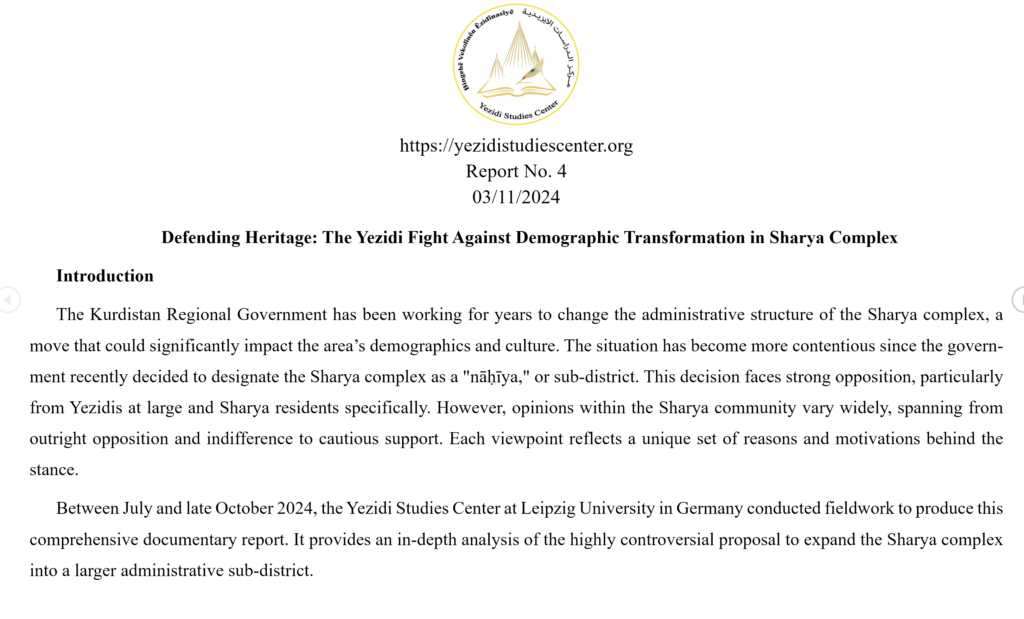
Defending Heritage: The Yezidi Fight Against Demographic Transformation in Sharya Complex
Announcing Historical Achievements in the Field of Yezidi Studies
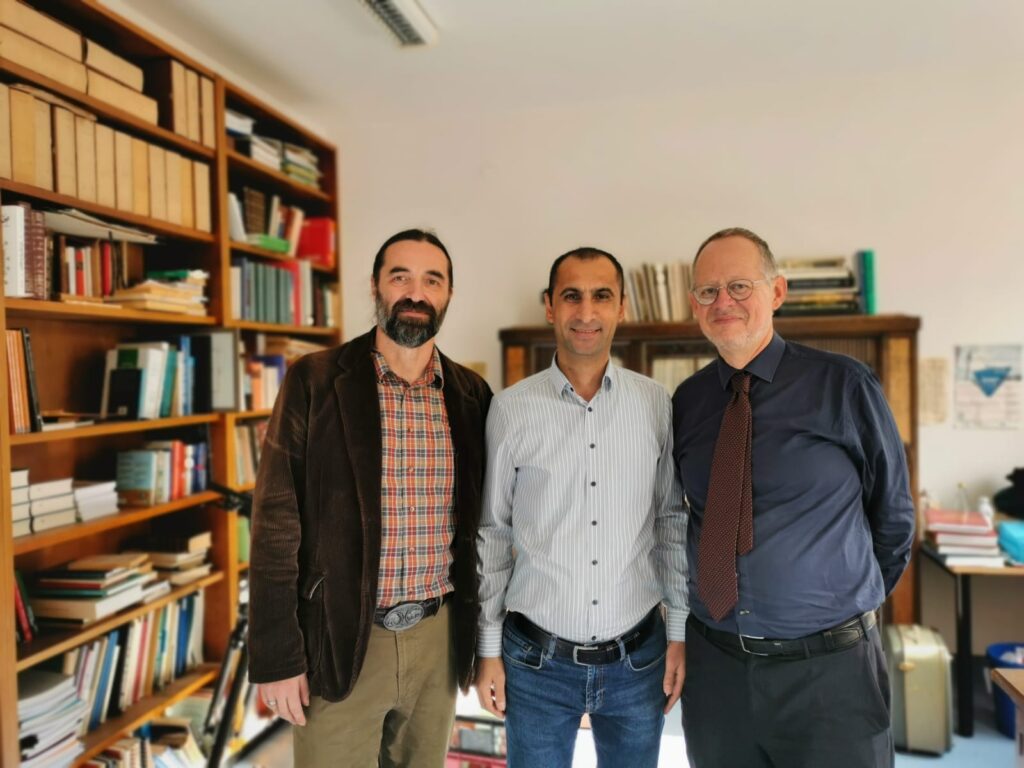
Munich – October 28, 2024: The Center for Yezidi Studies announces the conclusion of an understanding for joint scientific support with the Universities of Munich and Leipzig, during a meeting between Professor Sebastian Meisel and Dr. Qader Saleem Shammo, representatives of the Yezidi Studies Center, and Prof. Dr. Andreas Kaplony Chair of Studies on the Arabic and Islamic world at the University of Munich. The aim of this understanding is to provide support for the projects of the Yezidi Studies Center, which will contribute to achieving important and historical achievements in the field of Yezidi Studies, and to enhance academic understanding of Yezidi culture and history. This partnership provides new opportunities for academic cooperation and research projects, and will be announced soon, which will push Yezidi studies to new horizons on the global scientific level.
Yezidi Studies at University of Leipzig and Department of Arabic Studies at Yerevan State University Collaborate to Promote Yezidi Studies
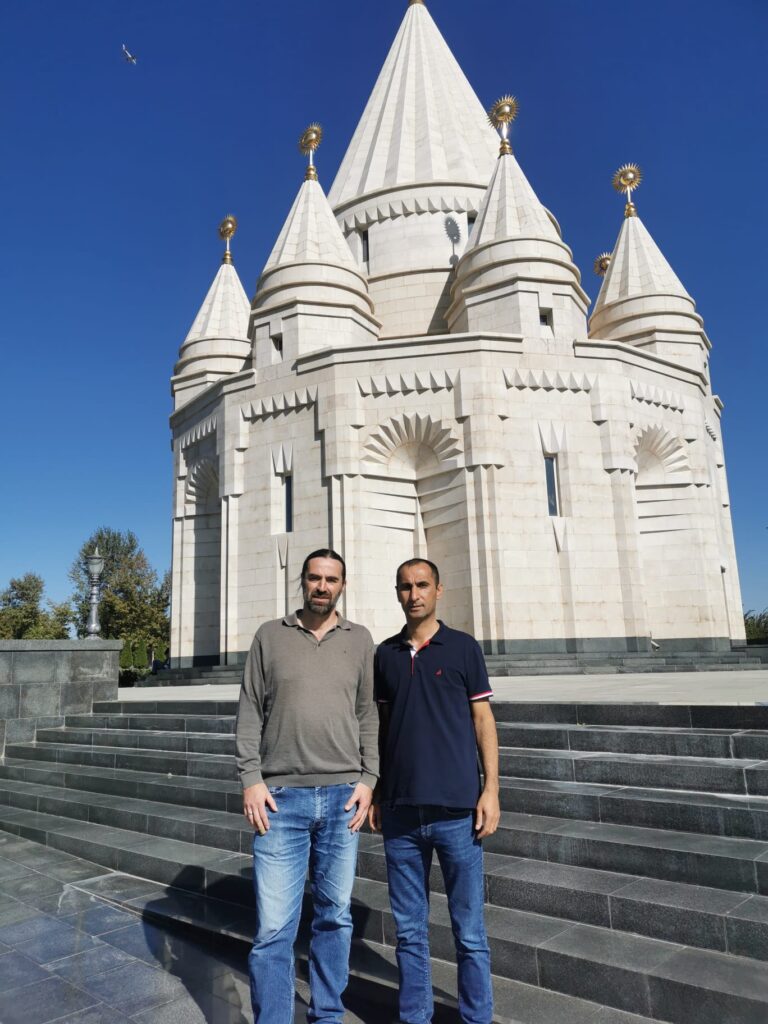
The Oriental Institute at the University of Leipzig and the Department of Arabic Studies at Yerevan State University (YSU) organized a joint workshop at YSU from October 1–5, 2024. a panel on Yezidi Studies were presented by the Yezidi Studies Center, which the representers Professor Sebastian Meisel and Dr. Qader Saleem Shammo emphasized on the center’s prospects and continuing activities while promoting Yezidi Studies’ mission, goals, and important work for the Yezidi community. They also looked into methods to improve Yezidi Studies’ standing and exrtends their activities. During their stay, the delegation visited the Yezidi community at Quba Mêrê Dîwanê, the Yezidi temple located in Aknalich, Armavir Province, on September 29. They engaged with the local community, learning about their current conditions and observing traditional ceremonies held at the temple in honor of Sultan Izi Twaf. Additionally, the delegation visited the Yezidi Genocide Commemoration Monument in Yerevan. They also participated in the opening ceremony of the statue of Jahangir Agha in Sardarapat Memorial in Armenia on September 30, 2024. Their visit also included a tour of the Monastery of Geghard and the Upper Azat Valley, a site dating back to the 4th century AD, nestled in rugged mountains. The architecture of the monastery was noted for its resemblance to the style of the Lalish Temple, a key site of the Yezidi people globally.
Yezidi Studies Center Participate in the Commemoration Event for 10th Anniversary of the Yezidis Genocide
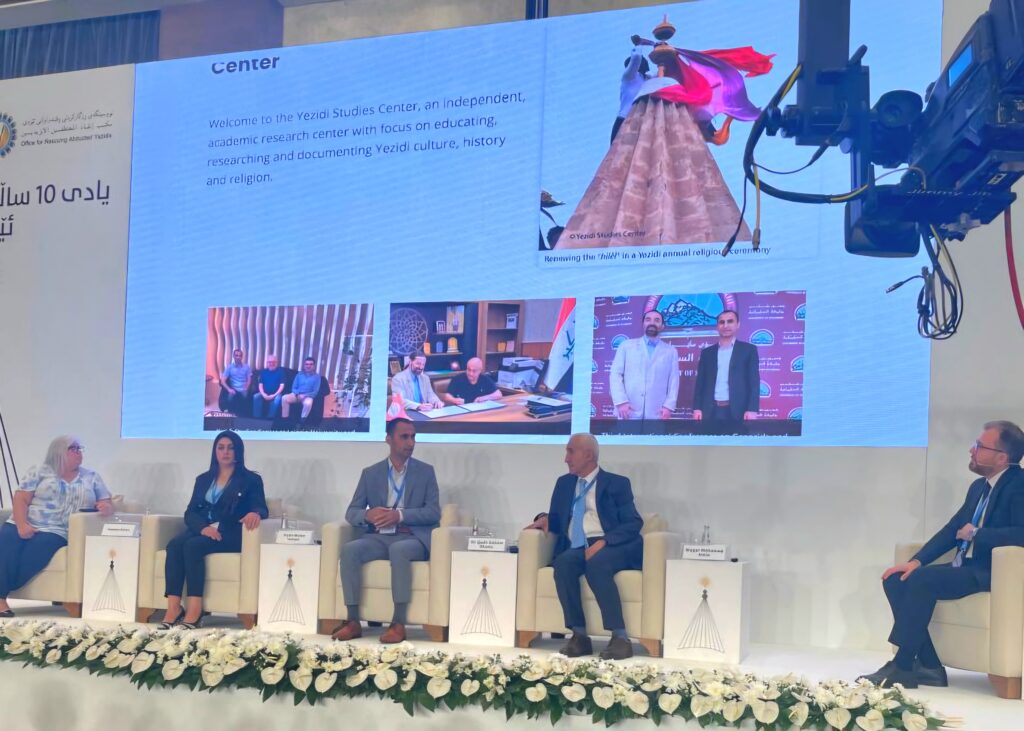
During an event on August 3, 2024, in Erbil in the Kurdistan Region of Iraq, a roundtable discussion titled “Future Prospects for the Yezidis” was organized by the University of Kurdistan-Hewlêr and its partners to mark the tenth anniversary of the Yezidi genocide. Dr. Qader Saleem Shammo delivered a presentation during this discussion, emphasizing the vital role of academic institutions, especially the Yezidi Studies Center at Leipzig University in Germany, in supporting the Yezidi community as they strive to overcome the devastating aftermath of the genocide perpetrated by the Islamic State. Dr. Shammo underscored the importance of documenting the testimonies of Yezidi survivors, as well as those of perpetrators and their atrocities committed against the Yezidis. He stressed that recording these events on a scientific and academic foundation by specialized academics in study centers affiliated with internationally recognized institutions would result in documents and primary evidence acknowledged globally. These records could be pivotal in prosecuting criminals and serve as historical information to educate societies about the profound danger these crimes pose to human lives. Furthermore, they could act as a deterrent to prevent the recurrence of such atrocities. By ensuring these crimes are remembered and addressed, Dr. Shammo highlighted the critical role of academia in contributing to justice, education, and the prevention of future genocides.
Yezidi Studies Center at Leipzig University and University of Kurdistan Hewlêr (UKH) Forge Stronger Ties to Benefit Yezidi Community
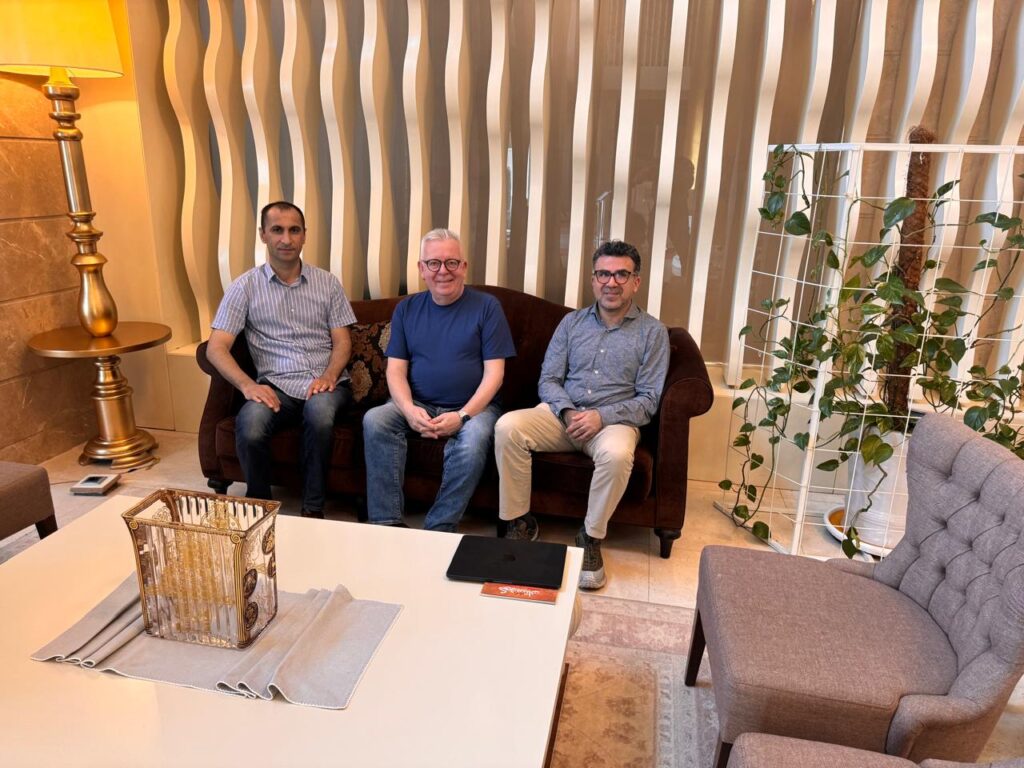
In a significant meeting aimed at fostering academic and cultural collaboration, the representative of the Yezidi Studies Center at Leipzig University Dr. Qader Shammo met with UKH president Professor Keith Sharp accompanied by Dr. Bayar Mustafa, the Dean of External Engagement and Research at UKH in June 2, 2024. The primary focus of the discussions was to activate the articles of the memorandum of understanding which previously signed between the parties and to translate these into tangible activities that will serve the Yezidi community in both educational and cultural realms.An agreement was reached to initiate a key activity aimed at exploring pathways to a better future for the Yezidi community. This event is scheduled to take place in the near future, reflecting the commitment of both institutions to meaningful engagement and support for Yezidi society.