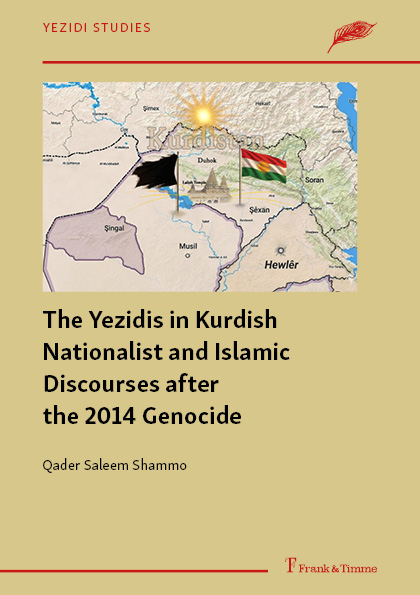
In the aftermath of the 2014 genocide perpetrated by ISIS against the Yezidis, one critical issue has been largely overlooked: How are the Yezidis represented in Kurdish nationalist discourse within the Kurdistan Region of Iraq? And how are they portrayed in Kurdish Islamic religious discourse beyond Iraq’s borders? This book examines how the Yezidi genocide has been appropriated for political, symbolic, and strategic purposes—often disconnected from genuine efforts at compensation, justice, or the reconstruction of Sinjar. It reveals the persistent displacement of Yezidis, the failures of compensation and reconstruction mechanisms, and the ways in which survivors have been drawn into instruments of political contestation. The study also examines how Kurdish political parties engaged Yezidi individuals in their responses to Yezidi suffering and the genocide. The author argues that the future of the Yezidis—and peaceful coexistence in the Kurdistan Region—is now at serious risk. Real change can only occur if Kurdish leaders fundamentally reconsider their approach to the Yezidis and abandon policies that have demonstrably failed.
The publication of this book, The Yezidis in Kurdish Nationalist and Islamic Discourses after the 2014 Genocide, in its print version was supported by a private entity and Open Access format was made possible through the financial support of Ludwig Maximilian University of Munich. The author expresses sincere appreciation to both contributors for their essential support, which significantly facilitated the production, accessibility, and dissemination of this work.
Published by Frank & Timme in Germany, this volume constitutes the fourth book in the Yezidi Studies series of Leipzig University. Further details about the book are available at the following link:
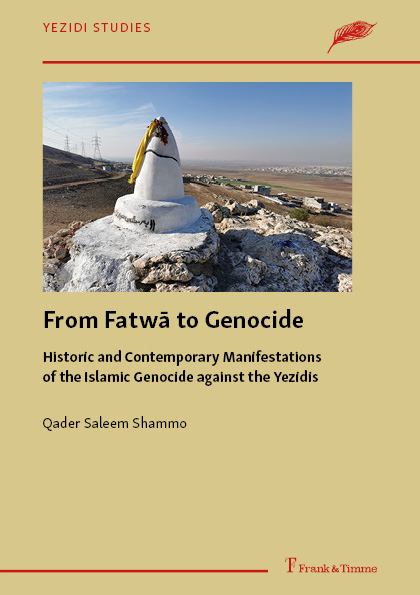
From Fatwā to Genocide: Historic and Contemporary Manifestations of the Islamic Genocide against the Yezidis
What is the history and the present-day reality of the Yezidis? Are there enduring patterns of discrimination and persecution by Islamic communities and political authorities? And how did and do they affect women and children? In his research, Qader Saleem Shammo pays particular attention to the enslavement of Yezidi women and children and to the sûq al-sabâyâ, the slave markets established for their sale. He presents detailed eyewitness accounts of the occurrences, thus documenting events which have been so far largely absent from existing scholarship. This includes highly sensitive issues, such as the fate of children born from the rape of Yezidi women or the application of Islamic law by the states in which the Yezidis reside. From Fatwā to Genocide synthesizes dispersed and often hard-to-access material and provides a clear and compelling account of the Yezidis’ lived reality within Muslim communities. The author also situates the ISIS atrocities of 2014 within a broader historical framework and demonstrates how these crimes were committed under the banner of Islam and how fatwās issued by Islamic clerics legitimized them.
The publication of the printed edition of this book From Fatwā to Genocide: Historic and Contemporary Manifestations of the Islamic Genocide against the Yezidis was made possible through the generous financial support of Leipzig University. The Open Access publication of the volume was likewise supported financially by Ludwig Maximilian University of Munich. The author expresses sincere gratitude and deep appreciation to both institutions for their invaluable support, which made the publication and wide accessibility of this work possible.
Published by Frank & Timme in Germany, this volume constitutes the fifth book in the Yezidi Studies series of Leipzig University. Further details about the book are available at the following link: